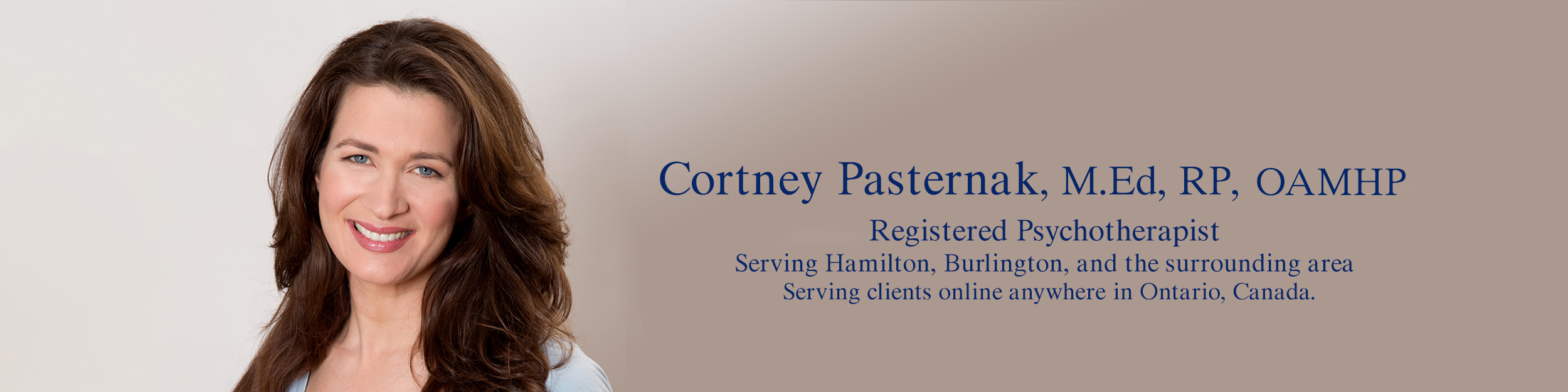
If you’re finding your way here because you’re tired of carrying patterns that don’t feel like they even started with you — please know you’re not alone. Many people who come to my Hamilton psychotherapy practice (I also offer online therapy across Ontario) describe feeling confused by how deeply certain fears, emotional reactions, or relationship struggles seem to live in them.
“Why do I shut down so quickly?”
“Why does conflict feel dangerous, even when nothing bad is happening?”
“Why am I so hard on myself?”
“Why do I keep choosing people who can’t meet my needs?”
These are not character flaws. They’re emotional echoes—signs of intergenerational trauma that may have been passed down through survival patterns, attachment wounds, or unspoken family histories.
But here’s the part many people don’t realize: you didn’t just inherit trauma. You also inherited strength, resilience, creativity, humour, sensitivity, and courage.
And healing requires both: understanding the pain and reclaiming the strength.
Why We Talk About Intergenerational Trauma
Trauma can imprint itself in families through nervous-system responses, attachment styles, emotional regulation patterns, and protective behaviours. If your parents or grandparents lived through war, migration, poverty, antisemitism, racism, addiction, mental illness, or emotionally distant family environments, they may have passed down both their fear — and also their coping strategies.
For example:
• A parent who avoided conflict may have been raised in a home where speaking up led to danger.
• A grandparent who “never rested” may have learned that survival depended on staying busy.
• A caregiver who was emotionally flat may have been taught that feelings = vulnerability.
In therapy, we honour these origins without blaming or excusing. We simply tell the truth with compassion.
But Trauma Isn’t the Whole Story
Every protective behaviour also contains a seed of strength. I see this every single week in therapy.
The client who learned to stay quiet to “keep the peace”?
She also learned to read emotional environments with incredible sensitivity.
The man who became hyper-independent because no one was available for him?
He also carries a fierce resourcefulness.
The person who dissociates under stress?
That same mechanism once allowed them to survive something overwhelming.
We don’t romanticize trauma. But we do recognize the strength woven through it.
A Trauma-Informed, Strengths-Based, Attachment Lens
When we work together, we won’t only look at “what’s wrong.” That’s never the full story.
Instead, we explore three parallel layers:
1. Trauma-informed clarity:
Understanding how your body, brain, and nervous system learned to protect you.
2. Attachment awareness:
Exploring how early relationships shaped your ability to love, trust, connect, ask for help, or feel safe being yourself.
3. Strength reclamation:
Identifying the resilience you come from—whether it’s creativity, intuition, perseverance, humour, leadership, or emotional intelligence.
This balance is what creates real change. It’s what moves people from feeling defective to feeling deeply human—and capable.
What This Work Can Look Like Together
In sessions, we might:
• Trace patterns back to their roots with compassion rather than shame.
• Use parts work (IFS), EMDR-informed approaches, somatic awareness, or narrative exploration.
• Identify inherited strengths you’ve been overlooking.
• Transform survival strategies into healthier forms of connection and self-trust.
• Build new attachment experiences — slowly, steadily, safely.
You don’t have to untangle this alone. Healing is easier when someone is holding space, guiding the process, and reflecting back the strengths you can’t always see in yourself.
A Future That Isn’t Just “Less Traumatized” — But More You
This work isn’t about erasing the past. It’s about rewriting your relationship to it.
It’s about choosing what to carry forward.
It’s about letting your inherited strengths finally do what they were meant to do: support your life, not just your survival.
Ready to Begin?
If you’re in Hamilton or the surrounding area and looking for a trauma therapist who works from a warm, direct, trauma-informed, attachment-focused, strengths-based approach, I’d be honoured to support you.
You deserve a future that feels grounded, connected, and truly yours.
Book a consultation at ontariotherapist.com and let’s begin together.
Disclaimer: This blog is for informational purposes only and is not a substitute for psychotherapy or medical advice. If you are in crisis, please contact your local emergency services or distress line.
#HamiltonTherapist, #TraumaTherapyHamilton, #IntergenerationalTrauma, #AttachmentHealing, #StrengthsBasedTherapy, #OntarioTherapist, #CortneyPasternak