Feeling anxious, overwhelmed, low, or not quite like yourself can be difficult to put into words.
You might be functioning on the outside — working, showing up, managing responsibilities — but internally, something feels off. Maybe your mind won’t slow down. Maybe you feel exhausted, disconnected, or stuck in patterns you can’t seem to shift.
For many people, anxiety and depression are not separate experiences. They often overlap in ways that can feel confusing and frustrating.
Therapy offers a space to slow things down, understand what’s happening beneath the surface, and begin to move toward something different.
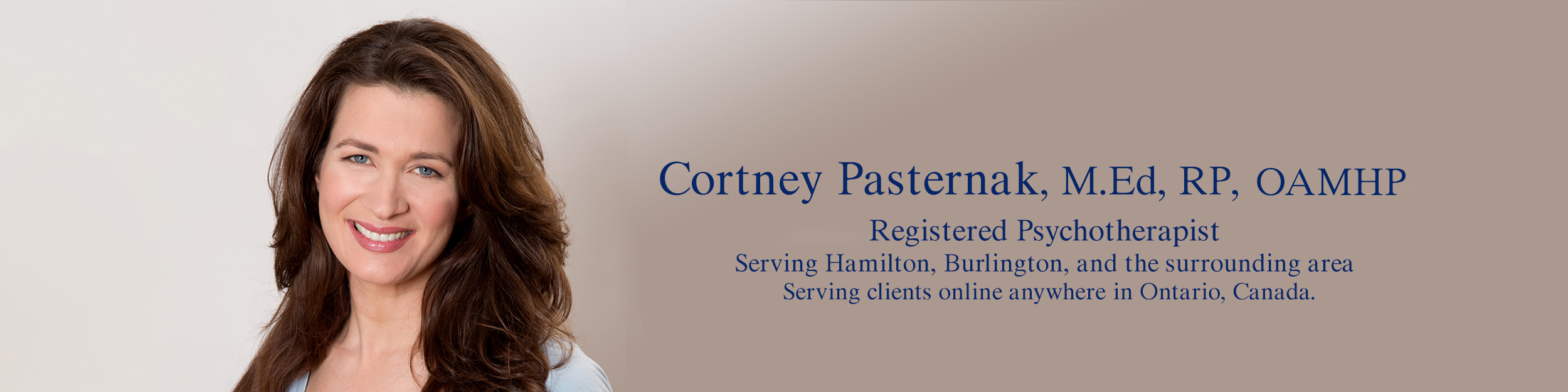
I offer in-person therapy in Hamilton, Dundas, Ancaster, and Burlington, and virtual therapy for individuals, couples, and families, in Toronto and across Ontario.
Anxiety Therapy: Anxiety Looks Different for Everyone
Anxiety isn’t always obvious.
For some, it’s constant worry that never fully quiets. For others, it shows up physically — tightness in the chest, difficulty sleeping, restlessness, or a sense of always being “on.”
It can also look like:
- Overthinking or difficulty making decisions
- Staying busy to avoid slowing down
- Feeling responsible for everything and everyone
- Struggling to relax, even when things are “fine”
Clients often reach out for support with:
- Generalized anxiety or chronic worry
- Panic attacks and physical symptoms of anxiety
- High-functioning anxiety, often alongside burnout
- Relationship anxiety and attachment-related concerns
- Trauma-based anxiety or a heightened sense of threat
- Perfectionism and fear of failure
Anxiety can be persistent, but it is also understandable. Often, it reflects a system that has learned to stay alert in order to cope or protect.
Depression Therapy: Depression Can Be Quiet, Subtle, and Misunderstood
Depression doesn’t always look like sadness.
For many people, it feels like:
- A sense of heaviness or emotional fatigue
- Disconnection from yourself or others
- Loss of motivation or meaning
- Feeling numb, flat, or “not fully here”
- A harsh inner voice or sense of not being enough
You may still be functioning — going to work, showing up for others — but it takes effort.
Clients often reach out for support with:
- Persistent low mood or emotional heaviness
- Loss of interest or enjoyment
- Feeling stuck, numb, or disconnected
- Self-worth and identity concerns
- Burnout and emotional exhaustion
- Difficulty receiving care or feeling supported
Depression is often less visible than people expect, which can make it harder to recognize — and harder to talk about.
When Anxiety and Depression Overlap
It’s common to experience both at the same time.
You might feel:
- Restless and overwhelmed, but also deeply tired
- Mentally active, but unable to take action
- Self-critical while also feeling shut down
- Pulled between pressure to keep going and a desire to withdraw
This can create a sense of being both “on edge” and “stuck.”
These patterns are not random. They often reflect a nervous system that has been under strain — trying to adapt, manage, and cope over time.
What Therapy Can Help With
Therapy isn’t about fixing you or pushing you to feel differently before you’re ready.
It’s about understanding your experience in a deeper way and working with it, rather than against it.
In our work together, we may:
- Explore patterns that contribute to anxiety and depression
- Understand the role of past experiences and current stressors
- Work with parts of you that feel overwhelmed, critical, or shut down
- Reconnect with emotion, meaning, and self-awareness
- Build capacity to respond differently to internal and external pressures
My approach is trauma-informed, relational, and grounded, and may include:
- Emotionally focused therapy and Emotionally Focused Family Therapy
- Mindfulness based self compassion and MB-CBT
- Parts work and inner child work
- EMDR-informed approaches
- Nervous system and attachment-based work
You Don’t Have to Be in Crisis to Start Therapy
Many people reach out not because things have fallen apart — but because something doesn’t feel right.
You might be:
- Managing day-to-day life, but feeling disconnected
- Functioning, but not feeling like yourself
- Wondering why things feel harder than they “should”
Therapy can be a place to explore that — without needing to minimize or justify your experience.
In-person Therapy and Online Therapy in Hamilton, Burlington, Toronto & Across Ontario
I offer:
- In-person therapy in Hamilton and Burlington
- Virtual therapy for clients in Hamilton, Burlington, Toronto and across Ontario
This includes support for individuals navigating:
- Anxiety and chronic worry
- Depression and emotional disconnection
- Burnout and overwhelm
- Trauma-related experiences
- Relationship and attachment concerns
- Identity and self-worth challenges
A Note on Fit
Therapy is a collaborative process, and finding the right fit matters. Therapy is not about giving or receiving the perfect advice, or about things being calm, only affirming, and perfect. It is a relationship between two or more people, trying to work through life’s challenges together.
If you’ve found yourself searching for “Therapist in Hamilton for Anxiety, Burnout & Overwhelm”, consider reaching out for a free 15-minute consultation to get a sense of whether therapy feels like a good next step. Consultations do not constitute therapy or a therapeutic relationship. Please email me through this site or at cortney@ontariotherapist.com.
Professional Reviews and Verified Client Feedback are available on Luminos and Psychology Today
Disclaimer
This page is for informational purposes only and is not a substitute for medical or mental health advice, diagnosis, or treatment. If you are in crisis, please contact local emergency services or a crisis support line in your area.