There’s a strange moment happening in mental health right now.
On one hand, more people than ever are openly talking about anxiety, trauma, burnout, and emotional wellbeing. On the other hand, many people searching for a therapist in Hamilton are also asking a new question:
“Do I even need a therapist anymore if AI can talk to me for free?” This can feel especially true when AI then personalizes its responses — as if it REALLY knows you!
It’s a fair question.
AI mental health tools have exploded in popularity because they offer something many people desperately need: immediate emotional access. No waitlist. No awkward first appointment. No scheduling. No worrying about saying the wrong thing. You type something vulnerable into a chatbot, and within seconds, you receive empathy, reflection, validation, coping suggestions, or reassurance.
For some people, that experience feels surprisingly comforting.
Research increasingly shows that people are using AI for emotional regulation, journaling, companionship, and stress support because modern life feels emotionally exhausting. Many individuals are overwhelmed, isolated, burned out, financially stretched, or carrying unresolved trauma while struggling to access affordable therapy.
AI fills a gap.
But filling a gap is not the same thing as replacing psychotherapy.
Psychology Today recently explored this tension in an article discussing how therapists are adapting to this “new reality.” The article highlighted a growing awareness that therapists may need to lean further into what makes human therapy irreplaceable: genuine relational presence, complexity, humour, warmth, accountability, intuition, and emotional nuance.
That matters because people are not algorithms.
Human beings contradict themselves constantly. We want closeness and fear vulnerability. We crave change and resist it simultaneously. We protect ourselves in ways we don’t always recognize.
A chatbot may validate everything you say.
A skilled therapist may help you understand why you keep repeating painful relational patterns.
Those are not the same thing.
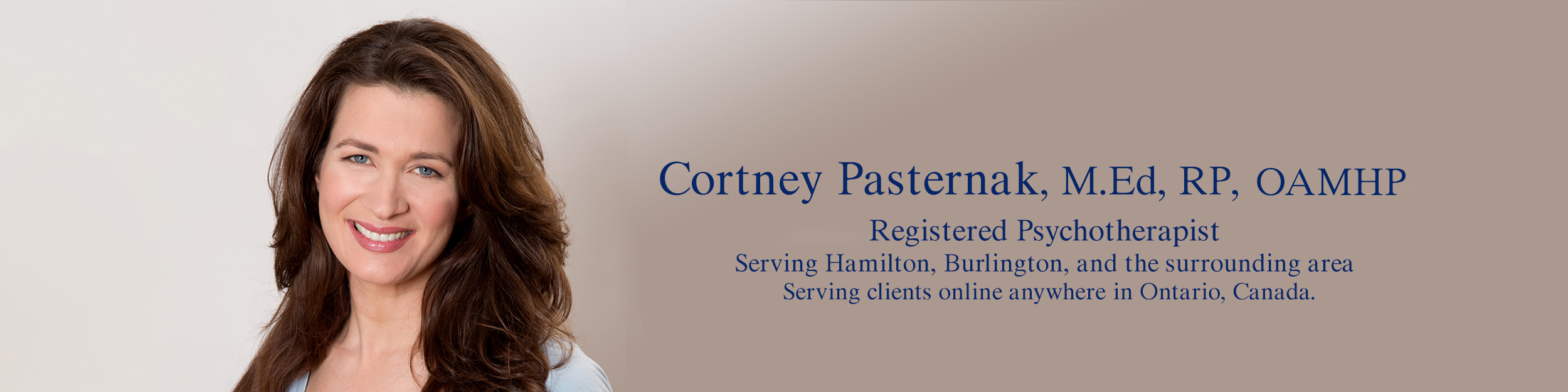
In my practice as a psychotherapist, I work with individuals, couples, and families navigating anxiety, trauma, PTSD, relationship stress, emotional dysregulation, burnout, grief, and family conflict. My approach is relational, trauma-informed, emotionally attuned, and grounded in evidence-based psychotherapy approaches.
And importantly, I am human! And in this transition to increasing use of AI, leaning into that has never been more important.
Therapy is not simply about receiving comforting words. Sometimes it involves sitting with grief that has no quick fix. Sometimes it means helping couples untangle years of resentment, miscommunication, attachment wounds, and emotional disconnection. Sometimes it means helping trauma survivors slowly reconnect with safety inside their own nervous systems.
AI cannot truly co-regulate with another human being.
It cannot fully understand the emotional energy between family members during conflict. It cannot recognize the subtle shift in someone’s face when shame appears. It cannot safely navigate high-risk trauma responses, dissociation, suicidality, or the layered realities of PTSD with the depth, ethical responsibility, and relational attunement required in clinical care.
And while AI can sound empathetic, empathy itself is not just language.
Empathy is felt.
It’s the therapist who remembers the detail you almost didn’t mention three months ago or even a year ago. The therapist who notices when your humour is covering pain. The therapist who understands when silence means more than words.
There is also something deeply healing about being witnessed by another person without needing to perform perfection.
Ironically, many people using AI eventually realize they are not actually seeking endless affirmation. They are seeking understanding, connection, insight, and emotional honesty.
That is why therapy still matters.
Not because technology is bad.
Not because AI has no value (heck we therapists use to it help us with notes, and blogging!)
But because human suffering and healing are profoundly relational experiences.
I offer in-person psychotherapy in Hamilton and online therapy throughout Ontario for individuals, couples, families, burnout, parenting, career and life transitions, first responders, and trauma survivors seeking meaningful, informed, compassionate support.
If you are searching for a therapist in Hamilton who brings warmth, humour, depth, lived experience, and genuine human connection into the therapy room, you are invited to book a free consultation.
In a world increasingly shaped by artificial intelligence, being deeply human may matter more than ever.
Disclaimer: This blog is for educational and informational purposes only and does not constitute psychotherapy, medical advice, or crisis support. AI mental health tools should not replace professional mental health care for trauma, PTSD, suicidality, or significant emotional distress.
#TherapyHamilton, #PsychotherapistOntario, #AITherapy, #HumanConnection, #TraumaTherapy, #PTSDSupport, #CouplesCounselling, #FamilyTherapy, #MentalHealthAwareness, #HamiltonOntario, #BurnoutRecovery, #OnlineTherapyOntario, #RelationshipHealing